Is Mexican Food Healthy? Unpacking the Nutritional Advantages of Conventional Active Ingredients
The concern of whether Mexican food is healthy and balanced welcomes an expedition of its traditional ingredients. Beans and corn act as fundamental staples, abundant in healthy protein and fiber. Avocados supply advantageous fats, while different herbs and flavors add taste and health advantages - best mexican westchester NY. With each other, these parts create a tapestry of nutrition. The healthiness of Mexican food usually depends on prep work methods and part dimensions. What duty do these elements play in identifying its overall dietary worth?
The Power of Beans: Healthy Protein and Fiber-Rich Staples
Although frequently ignored, beans offer as a cornerstone of Mexican cuisine, providing a wealth of dietary benefits. Rich in protein, they are an excellent plant-based choice for those looking for to fulfill their dietary healthy protein needs. This high healthy protein material sustains muscle repair service and development, making beans vital for both meat-eaters and vegetarians alike. In addition, beans are an extraordinary resource of nutritional fiber, which assists in food digestion and promotes a feeling of volume, potentially assisting with weight administration.
The range of beans made use of in Mexican dishes, such as black beans, pinto beans, and kidney beans, adds to a varied taste profile and can enhance dishes nutritionally. In addition, beans are reduced in fat and include essential vitamins and minerals, consisting of folate, iron, and magnesium. With each other, these qualities make beans a critical ingredient, supplying both sustenance and nourishment in typical Mexican fare.
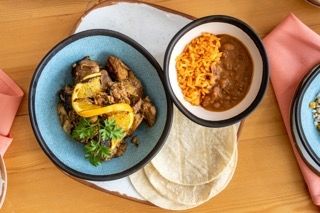
Corn: a Versatile Grain With Nutritional Conveniences
Corn attracts attention as a versatile grain basic to Mexican food, celebrated not only for its culinary applications but also for its impressive dietary account. As a primary active ingredient in dishes like tortillas, tamales, and pozole, corn offers vital nutrients that contribute to a well balanced diet. Rich in carbohydrates, it works as a considerable energy source, while also being reduced in fat, making it a beneficial alternative for numerous dietary demands.
Corn is an excellent source of dietary fiber, which helps in food digestion and promotes satiation. It includes considerable quantities of vitamins such as B-complex vitamins, which are necessary for basal metabolism. The existence of anti-oxidants, especially carotenoids, adds to general health by minimizing oxidative tension. Furthermore, corn is gluten-free, dealing with those with gluten sensitivities. Overall, the nutritional advantages of corn highlight its significance in conventional Mexican food and its duty in a healthy and balanced diet regimen.
Avocados: Healthy Fats and Nutrients in Every Bite
Avocados play a substantial duty in Mexican food, matching dishes with their creamy texture and rich taste. Beyond their cooking allure, avocados are commemorated for their impressive nutritional profile. They are an abundant source of healthy and balanced monounsaturated fats, which can aid lower poor cholesterol levels and assistance heart health and wellness. Furthermore, avocados are loaded with necessary minerals and vitamins, consisting of potassium, vitamin E, and B vitamins, contributing to total wellness.
The high fiber material in avocados aids digestion and promotes satiety, making them a helpful enhancement to any dish. Their one-of-a-kind nutrient make-up can additionally support skin health and provide anti-inflammatory benefits. Incorporating avocados into typical Mexican dishes or appreciating them as a standalone snack can enhance both flavor and nutrition, showing why they are a beloved staple in Mexican cuisine. In general, avocados offer a delicious method to take pleasure in healthy fats and essential nutrients in every bite.

Spices and Herbs: Flavorful Health And Wellness Boosters
While enjoying the abundant tastes of Mexican food, one can not ignore the vital duty that spices and herbs play in boosting both taste and health and wellness. Components such as chili, cilantro, and oregano peppers not just contribute to the dynamic flavor account yet likewise provide substantial wellness advantages. Cilantro is recognized for its cleansing properties, aiding to eliminate heavy metals from the body, while oregano is loaded with anti-oxidants and possesses anti-inflammatory impacts.
Chili peppers, a staple in many Mexican recipes, have capsaicin, which has actually been connected to boosted metabolic process and discomfort relief. Additionally, flavors like cumin and coriander assistance digestion and might aid in blood sugar level policy. Integrating these flavorful health boosters right into dishes not just improves the cooking experience yet likewise promotes overall well-being, making Mexican food not simply scrumptious, yet additionally nutritionally useful.
Standard Food Preparation Approaches: Enhancing Nutrition and Taste
Conventional cooking methods in Mexican food play an essential role in improving both nutrition and flavor, as they often focus on fresh active ingredients and classic techniques. Strategies such as nixtamalization, where corn is saturated and cooked in an alkaline service, not just enhance the nutrient account of tortillas however additionally improve their digestibility go to my site - New York Times rated. In addition, the use of slow-moving cooking approaches, like cooking or braising, allows flavors to meld beautifully while keeping the integrity of the active ingredients

Regularly Asked Questions
Are Mexican Food Portions Typically Larger Than Other Cuisines?
Mexican food parts are typically bigger than those of lots of various other foods. This characteristic shows conventional eating practices, stressing communal sharing and hearty dishes, which can bring about a more substantial serving dimension overall.
Exactly how Does the Prep Work Approach Affect Healthfulness of Mexican Food?
Preparation approaches considerably influence the healthiness of Mexican food. Techniques such as cooking or steaming protect nutrients, while frying can enhance harmful fat web content. Options of components and cooking styles ultimately identify general dietary worth.
Can Mexican Food Be Tailored for Specific Dietary Constraints?
Mexican food can indeed be tailored for particular dietary limitations. Replacements, such as using corn tortillas for gluten-free diet plans or integrating even more veggies, enable people to take pleasure in traditional tastes while accommodating various nutritional needs.
What Are Typical Mistaken Beliefs About Mexican Food and Wellness?
Common misconceptions about Mexican food include the idea that it is naturally undesirable, overly zesty, and solely concentrated on fats. In truth, conventional dishes typically include nourishing active ingredients and can be tailored to numerous nutritional demands.
Exist Much Healthier Choices at Mexican Dining Establishments?
Healthier options at Mexican restaurants typically consist of smoked meats, look what i found beans, and fresh veggies. Picking recipes that emphasize whole active ingredients and avoiding heavy sauces can lead to a more nutritious dining experience, promoting total wellness.
The variety of beans used in Mexican dishes, such as black beans, pinto beans, and kidney beans, contributes to a varied taste account and can enhance dishes nutritionally. Avocados play a substantial duty in Mexican cuisine, enhancing recipes with their velvety texture and rich taste. Including avocados right into typical Mexican recipes or enjoying them as a standalone treat can boost both taste and nutrition, demonstrating why they are a cherished staple in Mexican cuisine. While delighting in the rich tastes of Mexican food, one can not forget the important duty that spices and herbs play in enhancing both preference and health and wellness. Conventional cooking methods in Mexican food play an essential duty in improving both nutrition and flavor, as they frequently prioritize fresh components and classic methods.